





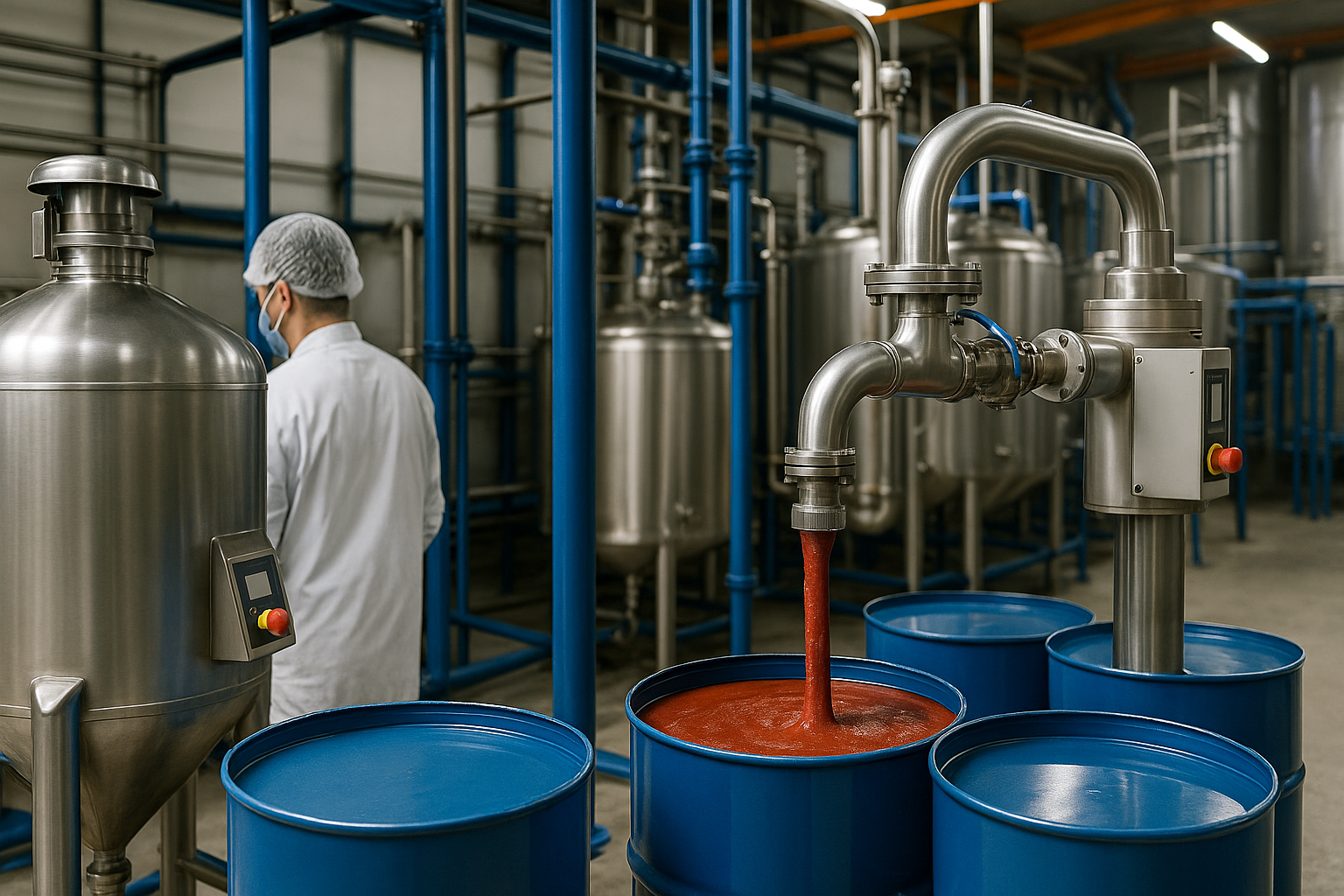
Exporting aseptic tomato paste to Asia offers a golden opportunity for manufacturers seeking sustainable growth, especially as Asian markets continue to expand their demand for food processing ingredients. From competitive logistics to long-term partnerships, here’s why this market deserves your full attention.
📌 Table of Contents
- Rapid Growth of Food Processing Industry in Asia
- Cost-Effective Shipping Routes from the Middle East
- Long-Term Contracts with Asian Distributors
- Favorable Tariffs and Trade Agreements
- Higher Profit Margins Compared to Domestic Sales
- Reliable Payment Structures via LC or TT
- Demand for Aseptic Packaging with Long Shelf Life
1. Rapid Growth of Food Processing Industry in Asia
Countries like China, Vietnam, South Korea, and the Philippines are rapidly expanding their packaged food production. The demand for aseptic tomato paste is increasing in sauces, ketchup, ready meals, and canned foods.
2. Cost-Effective Shipping Routes from the Middle East
Exporting from Iran or neighboring regions to Asia is highly efficient. The proximity and established logistics routes (via land and sea) reduce shipping costs dramatically.
3. Long-Term Contracts with Asian Distributors
Asian importers often prefer long-term supply agreements for consistency. Exporters of aseptic tomato paste can benefit from stable monthly contracts with firms across Malaysia, Indonesia, and Thailand.
4. Favorable Tariffs and Trade Agreements
Many Asian countries offer reduced import tariffs for agricultural and food products from Iran under regional trade pacts like ECO and SAARC. This enhances competitiveness against Western suppliers.
5. Higher Profit Margins Compared to Domestic Sales
Exporting tomato paste—especially in aseptic packaging—commands higher prices abroad, especially in high-demand regions of East and Southeast Asia.
6. Reliable Payment Structures via LC or TT
Asian buyers often offer secure payment methods including Letter of Credit (LC) or Telegraphic Transfer (TT), which minimize financial risk for exporters.
7. Demand for Aseptic Packaging with Long Shelf Life
In tropical climates, shelf-stable products are essential. Aseptic tomato paste offers up to 2 years of storage without preservatives, making it a perfect match for the needs of Asian importers.
🔗 Internal Link:
Read More: How to Scale Your Aseptic Tomato Paste Export Business
🌐 External Link (Dofollow):
Asian Food Market Growth Insights by FAO
📢 Final Takeaway
The Asian market is ripe for expansion, and exporting aseptic tomato paste to Asia can unlock consistent growth, long-term buyers, and premium pricing.
📩 Contact Us Now and explore export deals with trusted importers in Asia!