





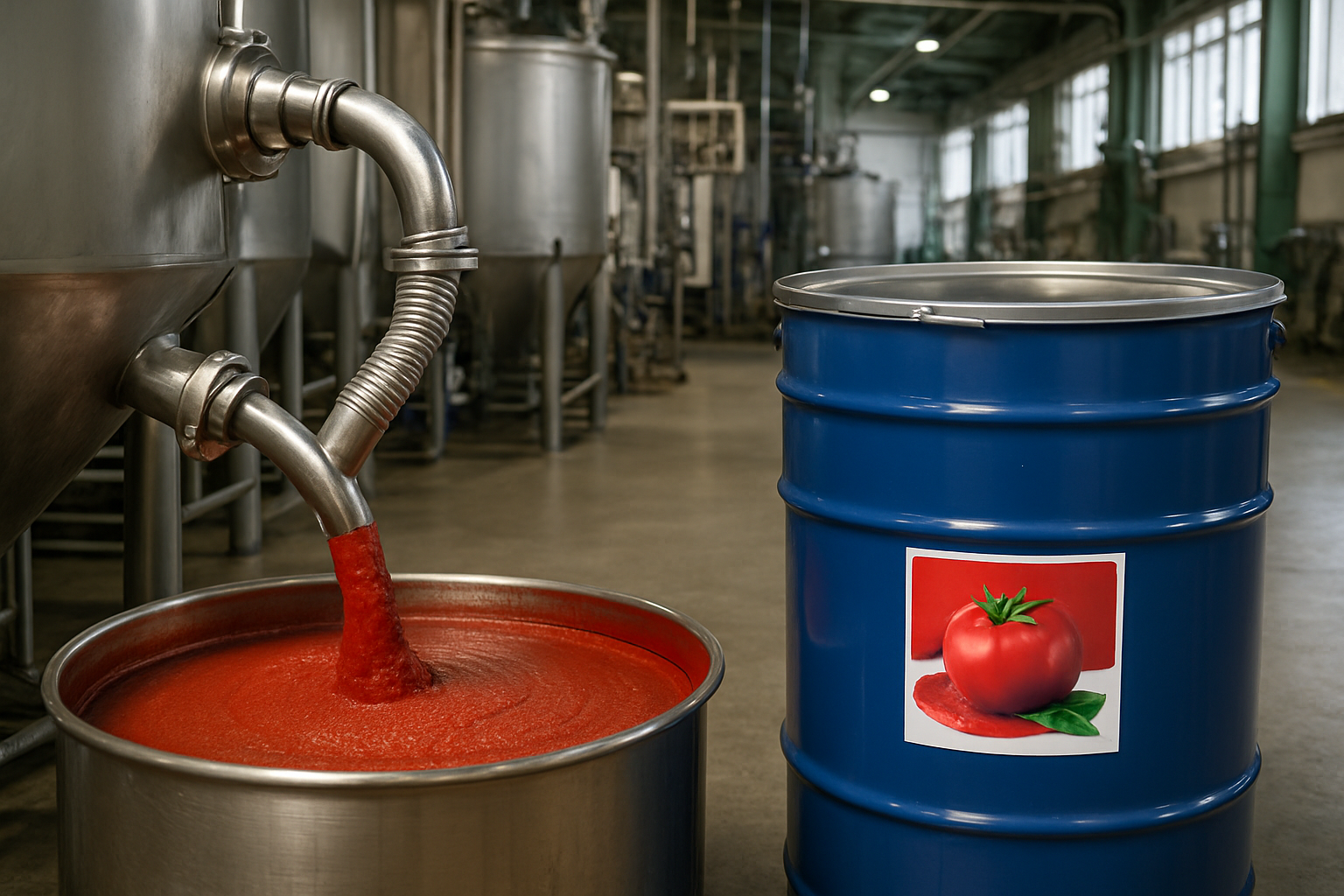
Aseptic Tomato Paste for Africa is rapidly becoming a sought-after product in international markets. African countries are showing strong demand for high-quality, long-shelf-life tomato paste to support their growing food processing industries. In this article, we’ll explore 5 key trends and insights into the African market for aseptic tomato paste and how exporters can take advantage of this opportunity.
Why Africa is a Growing Market for Aseptic Tomato Paste
Africa’s population growth and increasing urbanization are driving demand for packaged and processed foods. Aseptic tomato paste offers several advantages for this market:
- Long shelf life without refrigeration
- Maintains rich flavor and color
- Convenient packaging for manufacturers
Countries such as Nigeria, Ghana, Kenya, and South Africa are key importers of tomato paste, with a clear shift toward aseptic packaging due to its superior preservation qualities.
Top 5 Trends in Aseptic Tomato Paste Demand in Africa
- Rising Demand from Food Manufacturers
African food processing companies prefer aseptic tomato paste for producing sauces, ketchups, and ready-to-eat meals. - Shift Toward Quality and Safety Standards
Importers increasingly demand certified aseptic tomato paste with compliance to international food safety standards. - Preference for Bulk Packaging
220L drums and bag-in-box formats are popular among African buyers, reducing transportation and storage costs. - Government Support for Local Food Processing
Many African governments encourage local food production and offer incentives to import raw materials like aseptic tomato paste. - Growing Demand for Organic and Premium Products
Niche markets are emerging for organic aseptic tomato paste targeting health-conscious consumers in urban centers.
Exporting Aseptic Tomato Paste to Africa: Key Considerations
Exporters should be aware of the following when targeting African markets:
- Ensure compliance with local import regulations and labeling requirements.
- Offer flexible packaging options to match buyer preferences.
- Provide clear product documentation, including certificates of analysis (COA) and health certificates.
- Build strong relationships with local distributors and food manufacturers.
Certifications & Standards Needed for African Markets
To succeed in African markets, your aseptic tomato paste should meet key certifications:
- ISO 22000 / HACCP for food safety
- Halal Certification for Muslim-majority markets
- Organic Certification (if applicable)
- EU / FDA Standards for broader acceptance
Providing these certifications builds trust with African buyers and streamlines customs clearance.
Conclusion & Final Tips for Exporters
The market for aseptic tomato paste in Africa offers significant growth opportunities. By understanding local trends, meeting certification requirements, and building strong partnerships, exporters can thrive in this dynamic and growing market.
For more expert insights or to discuss how TOMEXA can help you supply high-quality aseptic tomato paste to Africa, contact us today.